
Mold Removal & Remediation Services
Mold Removal & Remediation Services
Mold is a silent problem that often grows out of sight—behind walls, under flooring, inside ceilings, and in damp corners where moisture lingers. It begins as small dark spots but can quickly spread across surfaces when humidity, leaks, or poor ventilation create the right conditions. Beyond visible damage, mold releases spores into the air that affect indoor air quality and create unpleasant odors, discomfort, and potential health concerns for occupants.
Eagle’s Services provides professional mold removal and remediation for both residential and commercial properties. Our process focuses on identifying the moisture source, containing the affected area, safely removing contamination, and restoring clean, healthy indoor conditions. We use proper containment methods, air filtration equipment, and antimicrobial treatments to prevent cross-contamination while eliminating existing mold growth.
Restoring Healthy Indoor Conditions
Mold removal is not just about cleaning surfaces—it’s about restoring safe air quality and preventing the problem from returning. Our complete remediation process ensures the property is left clean, dry, and protected against future growth.
Mold Inspection & Moisture Source Identification
Before any mold removal begins, it is essential to understand why the mold developed in the first place. Mold is not the primary problem—moisture is. Without identifying and correcting the moisture source, mold will continue to return no matter how thoroughly the visible growth is cleaned. That’s why the first and most important step in proper mold remediation is a detailed inspection of the affected areas and surrounding spaces to trace where water, humidity, or condensation is entering and lingering.
Our inspection process goes beyond surface observation. We carefully examine walls, ceilings, flooring, crawl spaces, attics, plumbing lines, and ventilation pathways to locate hidden moisture that may not be immediately visible. Leaks behind drywall, roof seepage, poorly sealed windows, plumbing drips, bathroom steam buildup, basement dampness, and inadequate airflow are common causes that allow mold to thrive. We also assess humidity levels and ventilation conditions that contribute to moisture retention in enclosed areas.
By identifying the exact source of the problem, we ensure that remediation addresses the root cause—not just the symptoms. Correcting these moisture issues is what prevents mold from reappearing and allows the property to remain clean, dry, and healthy long after the removal process is complete.
We identify

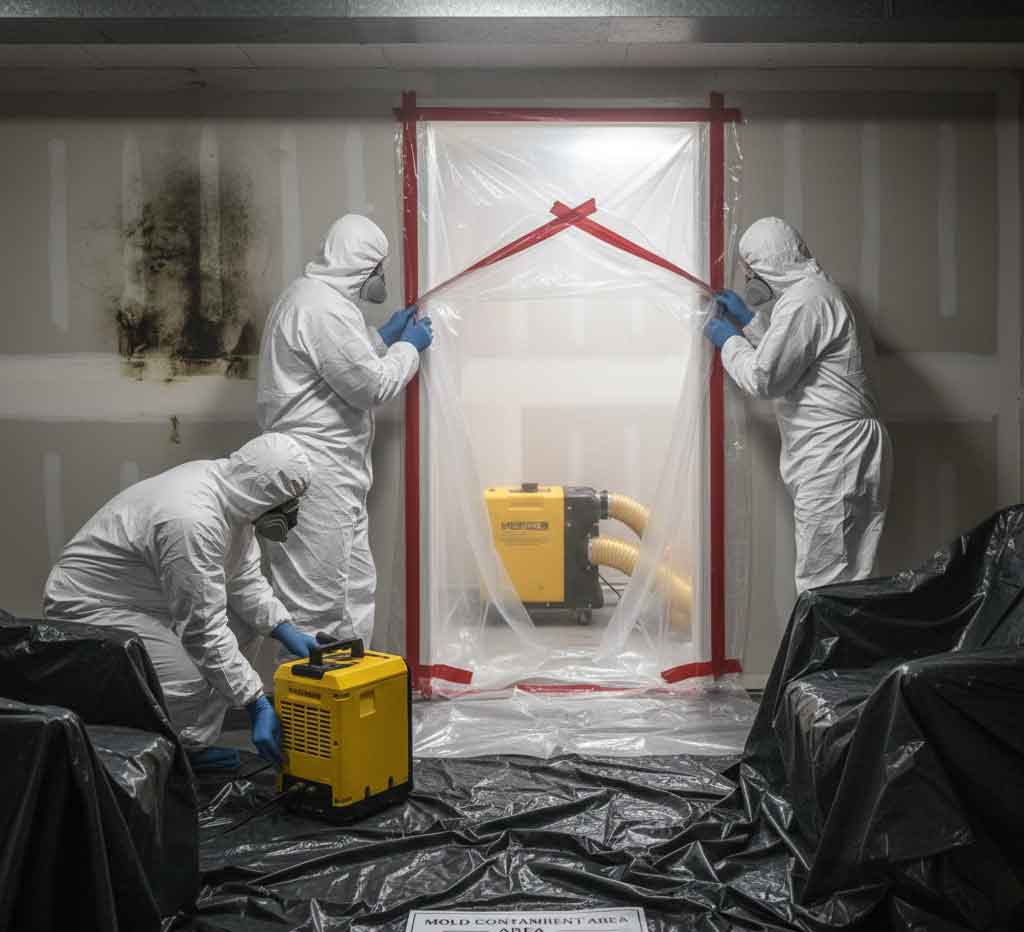
Mold Containment & Air Filtration
Containment includes
Mold Removal from Walls, Ceilings & Surfaces
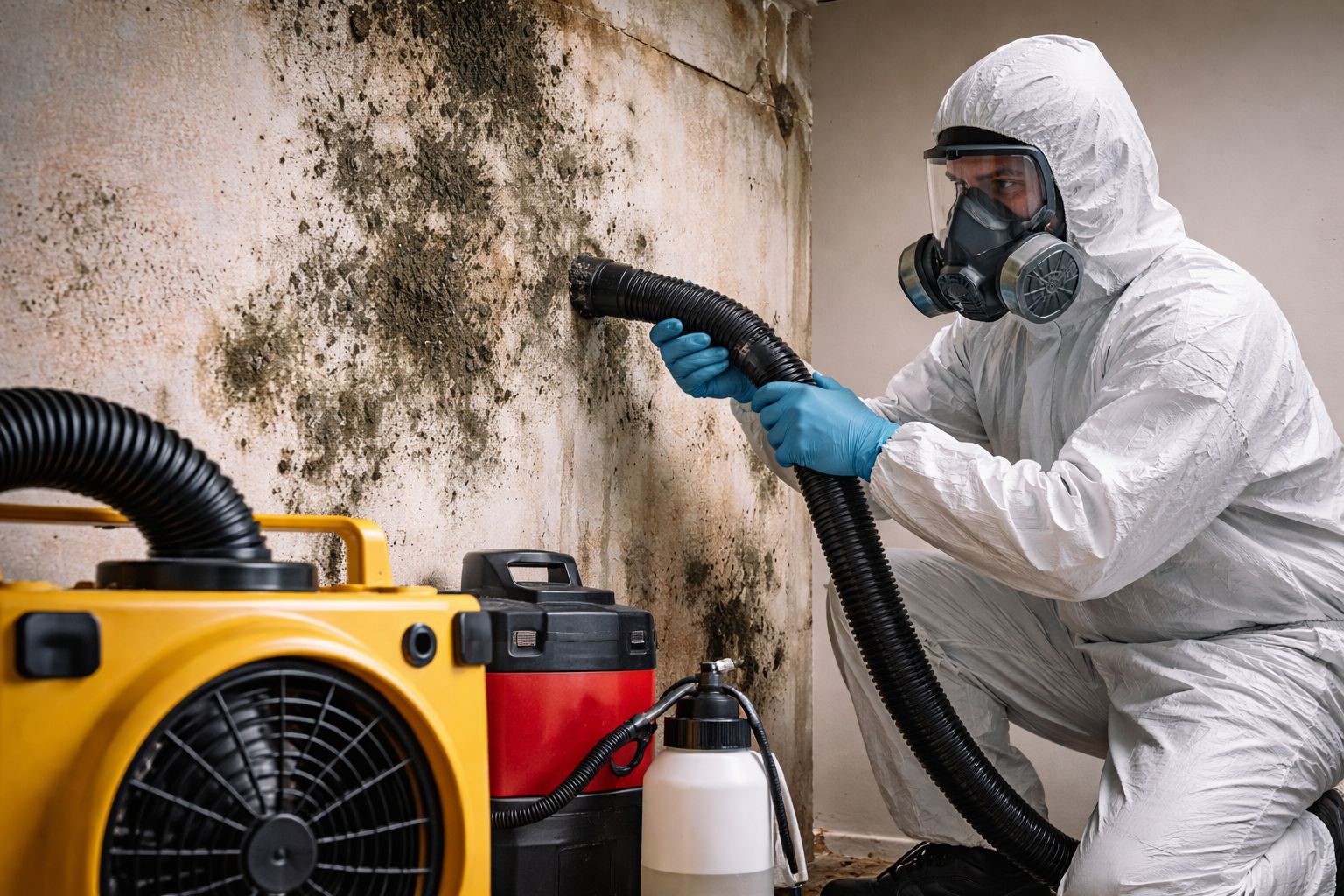
Once containment is in place and the affected area is properly controlled, the next step is the careful removal of mold from all contaminated surfaces. Mold does not only grow on the surface you can see—it penetrates porous materials such as drywall, wood, insulation, ceiling boards, and even behind paint layers. Simply wiping the visible area is not enough. Proper removal requires treating both the surface growth and the material underneath where spores have settled.
Our process begins with identifying which materials can be cleaned and which must be safely removed and replaced. Non-porous and semi-porous surfaces like tile, metal, and sealed wood can often be treated and restored using specialized cleaning agents and antimicrobial solutions. However, porous materials such as drywall, insulation, and heavily affected wood may require controlled removal to ensure the contamination is completely eliminated.
We use safe removal techniques that prevent spores from becoming airborne during the process. HEPA vacuums, damp wiping methods, and controlled material removal are used to keep the environment contained while thoroughly eliminating mold colonies. Ceilings, wall cavities, baseboards, framing, and hidden corners are all treated carefully to ensure no contaminated areas are left behind.
By addressing both structural and non-structural surfaces with the right method for each material, we ensure the mold is fully removed rather than temporarily cleaned, allowing the space to be restored to a clean, safe, and healthy condition.
Removal covers

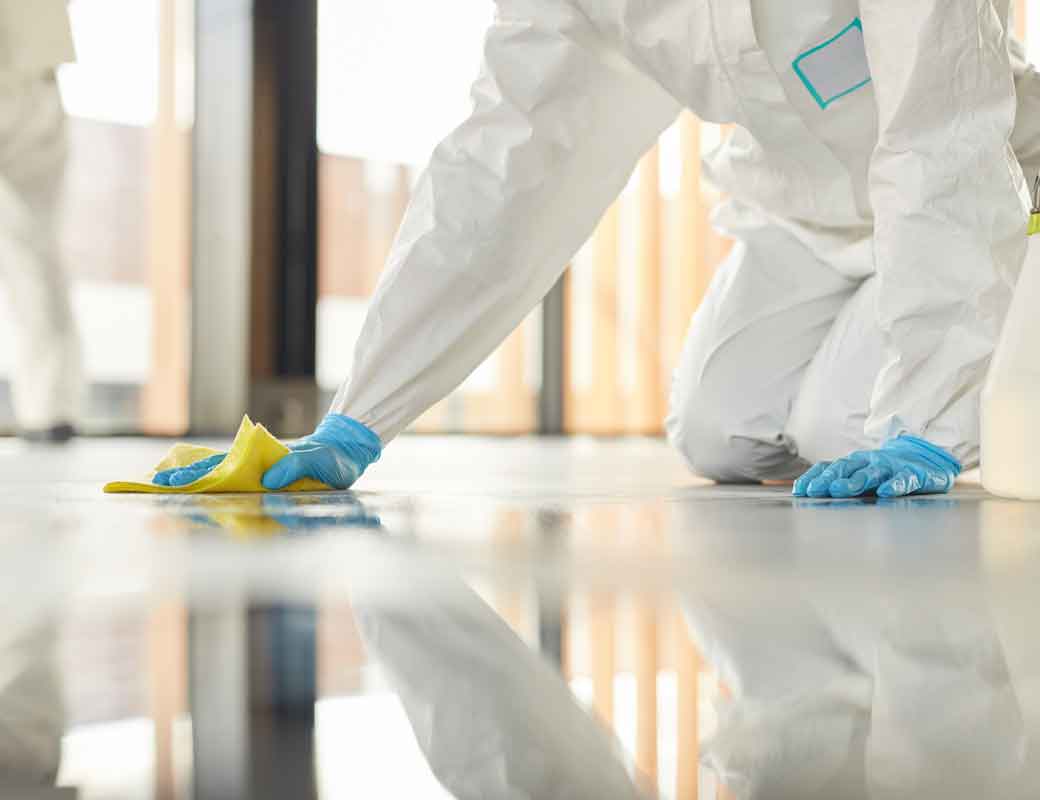
Antimicrobial Treatment & Surface Cleaning
After the visible mold and contaminated materials have been removed, the affected area still requires careful treatment to ensure any remaining microscopic spores are neutralized. Mold spores can linger on surfaces and in tiny crevices even after cleaning, which is why antimicrobial treatment is a critical step in the remediation process—not an optional one.
We apply professional-grade antimicrobial solutions to all previously affected surfaces to disinfect, sanitize, and create an environment that discourages future mold growth. This treatment reaches into small pores, cracks, and joints where spores may remain unseen. In addition to treating walls, ceilings, and structural elements, we also clean surrounding surfaces that may have been exposed to airborne spores during the contamination period.
This step not only helps prevent regrowth but also removes lingering odors and restores a clean, fresh indoor environment. Proper antimicrobial application ensures the space is not just visually clean, but truly sanitized and safe for regular use.
Treatment includes
Mold Remediation for Residential Properties
In homes, mold commonly develops in areas where moisture builds up quietly over time—bathrooms with poor ventilation, basements with damp walls, attics with roof leaks or trapped humidity, and around plumbing lines hidden behind walls. Because these spaces are not always checked regularly, mold can spread before it’s noticed, affecting air quality and damaging surfaces throughout the home.
Our residential mold remediation process is designed to restore healthy indoor conditions while keeping disruption to your daily routine as minimal as possible. We carefully isolate affected areas, work in a controlled and organized manner, and protect the rest of the home from cross-contamination during the removal process. Special attention is given to living spaces, furniture, and belongings to ensure they remain clean and unaffected.
By addressing both the mold and the moisture conditions that caused it, we help homeowners return their spaces to a clean, dry, and comfortable environment where families can feel safe and at ease.
Residential focus areas
Mold Remediation for Commercial Properties
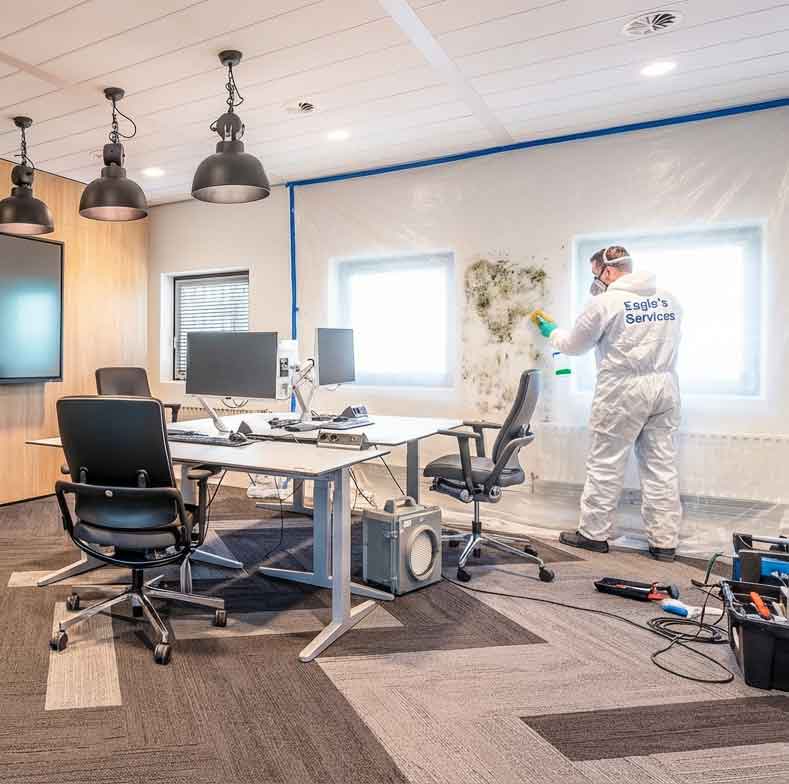
Mold in commercial properties presents unique challenges because of the size of the space, the number of occupants, and the need to maintain daily operations. Offices, retail stores, warehouses, medical facilities, and other commercial environments often have large HVAC systems, hidden utility spaces, and areas where moisture can accumulate without being noticed. When mold develops in these settings, it can quickly affect indoor air quality across a wide area and create concerns for employees, customers, and visitors.
Our commercial mold remediation process is designed to handle these larger environments with careful planning and professional containment. We set up expanded containment barriers and high-capacity air filtration systems to prevent spores from spreading beyond the affected zone. This allows us to work within a controlled area while keeping the rest of the facility protected and operational whenever possible.
We coordinate the remediation work to minimize disruption to business activities, often focusing on isolated sections at a time. By combining efficient removal methods with proper air management and moisture control, we restore safe, clean conditions throughout the property while allowing the business to continue functioning with minimal interruption.